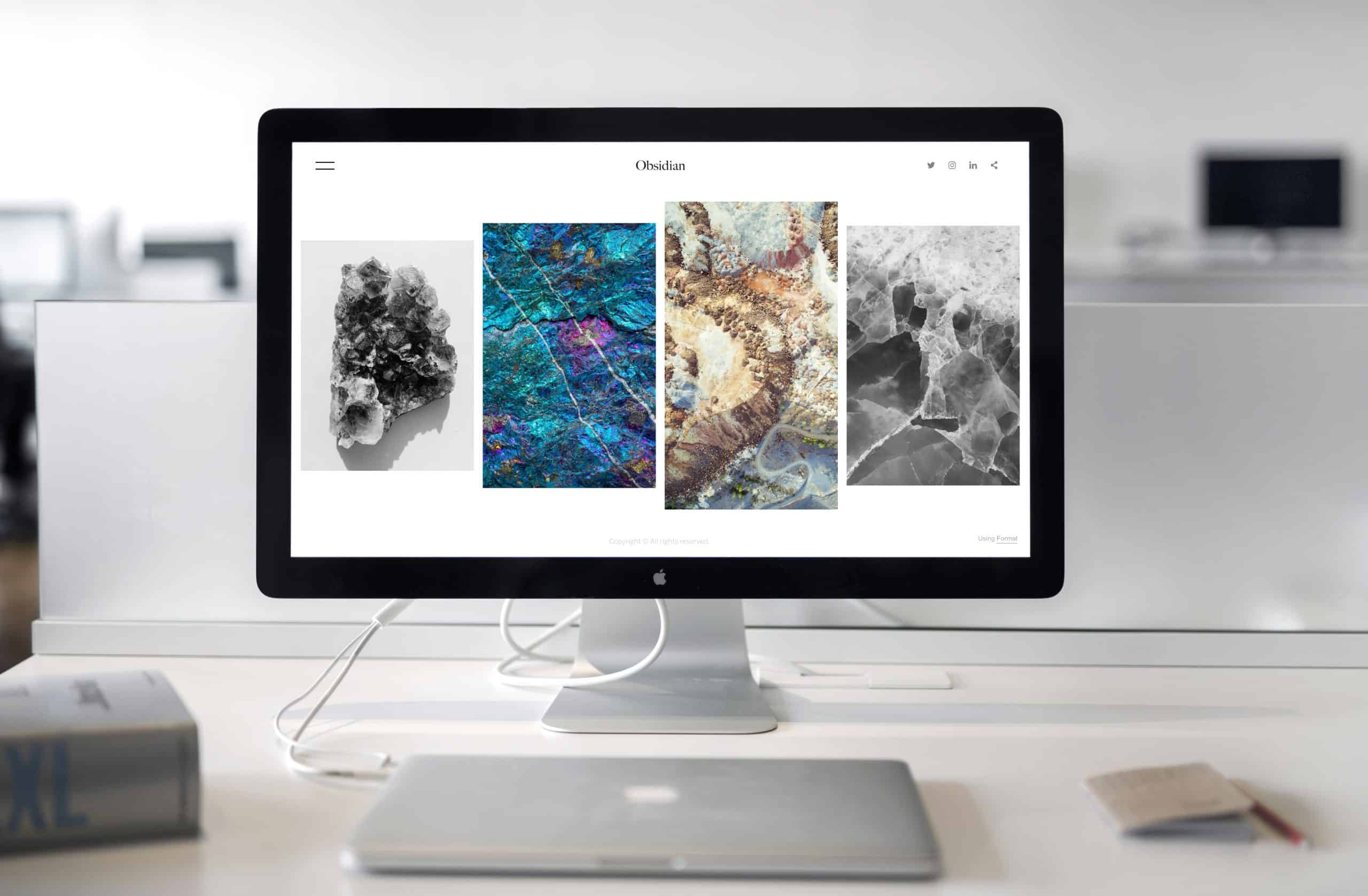
At a time where virtual storefronts often speak louder than physical ones, having a business website has transitioned from a novelty to a non-negotiable asset. It’s no longer a question of whether you need a website, but rather, how impactful and effective that website is for your business. Think of your website as not just an online presence but a dynamic, ever-evolving extension of your brand. It’s the digital handshake that can either seal the deal or send potential customers searching for alternatives.
A website is the face of your business, introducing it to the vast expanse of the online universe. It’s not merely a placeholder; it’s a virtual ambassador, representing your brand ethos, values, and offerings. Whether you’re a local artisan, a global corporation, or anything in between, a website is your ticket to transcending geographical constraints. It’s the global stage where a small-town bakery can showcase its artisanal delights to customers continents away and where a tech startup can revolutionize industries far beyond its physical reach.
However, let’s not get caught in the glitter of the digital dazzle without acknowledging the nuances that separate a good website from a mediocre one. It’s not just about having an online presence; it’s about crafting an online experience that captivates and converts. A website isn’t a static entity; it’s a living, breathing entity that can either elevate your business to unprecedented heights or, if neglected, drag it into the shadows of obscurity. So, in a landscape where the digital handshake often precedes the physical one, let’s explore the nuances of why not just any website but a stellar one is imperative for business success in the 21st century.
The Importance of a Good Website:
- Global Reach and Visibility: A website is your business’s global calling card. It enables you to reach customers across continents, overcoming the limitations of physical location. For instance, a local artisan in Kyoto can sell handmade crafts to a customer in New York, thanks to the power of a well-optimized website.Stat Insight: Global e-commerce sales are anticipated to reach $6.38 trillion by 2024 (Statista). This staggering figure highlights the immense potential a website holds for accessing worldwide markets.
- Round-the-Clock Accessibility: Your website works tirelessly, allowing customers from different time zones to interact with your business at their leisure. This 24/7 operation ensures that you don’t miss out on potential sales. For example, a bakery in Paris with an online ordering system can receive orders long after the physical store is closed, prepping for a busy morning ahead.Stat Insight: A National Retail Federation study reveals that 79% of smartphone users have made online purchases recently, signifying the importance of an always-accessible business platform.
- Enhancing Credibility: In the digital age, your website often forms the first impression of your business. A sleek, user-friendly site can significantly boost your brand’s perceived credibility and professionalism. Take, for instance, a small consulting firm. A polished, informative website can position it alongside bigger competitors, leveling the playing field.Stat Insight: 84% of consumers believe a business with a website is more credible than one without (Verisign survey).
The Downsides of a Poorly Designed Website:
- Frustrating User Experience: A website that is difficult to navigate, slow to load, or aesthetically unpleasing can turn potential customers away. Imagine a customer trying to purchase on a site where product pages load slowly or fail to load at all; the frustration often leads to them abandoning the cart.Stat Insight: Up to 87% abandonment rates are witnessed with just a 2-second delay in load time (Akamai).
- Damaging Credibility: A poorly designed website can reflect negatively on your brand. Customers may equate the quality of your website with the quality of your products or services. Consider a financial advisory service with an outdated, cluttered website; it might inadvertently signal unreliability or a lack of attention to detail to potential clients.Stat Insight: Poor usability is a major factor in 70% of online business failures (Real Business).
Expanding the Benefits of a Good Website:
- Effective Marketing Platform: Your website is an invaluable tool for marketing your products or services. With techniques like SEO, content marketing, and online advertising, your website becomes a powerful channel to attract and engage customers. For example, a blog on a pet store’s website, offering pet care tips, can attract pet owners, increasing the store’s visibility and customer base.Stat Insight: Content marketing gets three times more leads than paid search advertising (Content Marketing Institute).
- Data Collection and Customer Insights: A website allows you to gather valuable data about your customers’ preferences and behaviors. This data can be used to tailor your offerings and improve customer experiences. An e-commerce site can track customer interactions to understand buying patterns, which can inform stock decisions and promotional strategies.Stat Insight: Companies that use data-driven marketing are six times more likely to be profitable year-over-year (Forbes).
Addressing the Challenges of a Bad Website:
- Lost Revenue Opportunities: A subpar website can lead to significant revenue loss, as potential customers turn to competitors with better online experiences. For example, an online electronics store with a confusing checkout process might lose customers to a competitor with a more straightforward system.Stat Insight: Businesses lose about $2.6 billion annually due to slow-loading websites (Econsultancy).
- Negative Word-of-Mouth: In the age of social media, a bad website experience can quickly lead to negative reviews and bad publicity. One tweet or review about a poor website experience can deter hundreds of potential customers.Stat Insight: 88% of consumers trust online reviews as much as personal recommendations (Forbes).
The importance of a well-designed, functional website in today’s digital landscape cannot be overstated. It’s a powerful tool for global reach, credibility, marketing, and insights. Conversely, a poorly designed website can be detrimental, leading to lost opportunities, damaged reputation, and even business failure. Investing in a high-quality website is not just beneficial; it’s essential for the success and growth of your business in the digital age. Remember, your website is often the first interaction customers have with your brand – make it count!