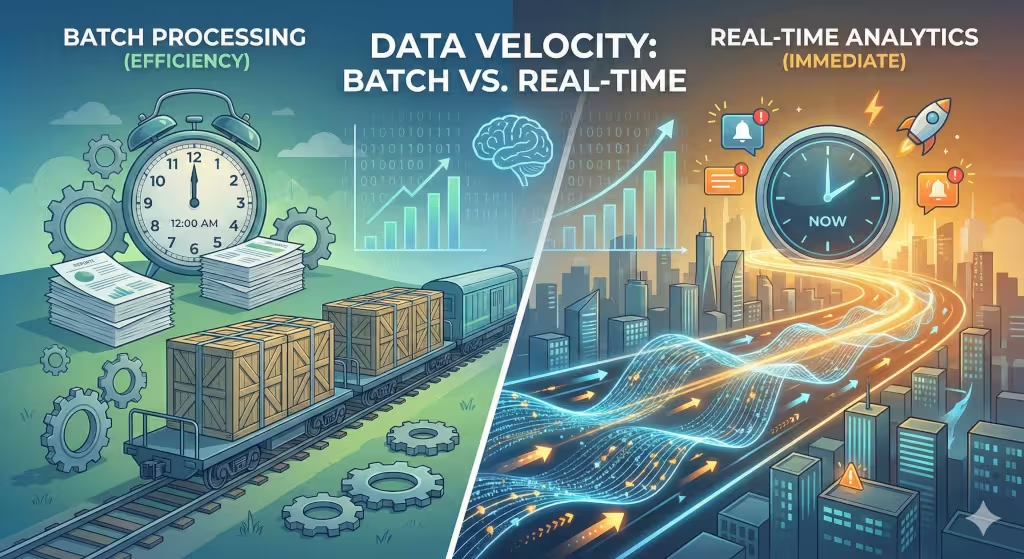
In the world of business, information (analytics in this case) is like fuel. But how you use that fuel makes a big difference in how fast your car goes. Some people fill up their tank once a week. Other people have a tube that feeds gas into the engine all the time while they drive. This is like the choice between batch and real-time ways to look at your analytics. It is often said that speed matters. But speed is not the only thing that counts.
Every day, your business creates a lot of data. You get sales from your website. You get clicks from your ads. You get reviews from customers. You can use analytics to turn those numbers into a plan. But you have to ask yourself a big question. Do you need to know what happened last month, or do you need to know what is happening right now? Both ways have their own special value.
In this guide, we will show you how to compare batch vs. real-time analytics and help you see which one brings the most value to your specific business.
What is Batch Analytics? (Efficiency at Scale)
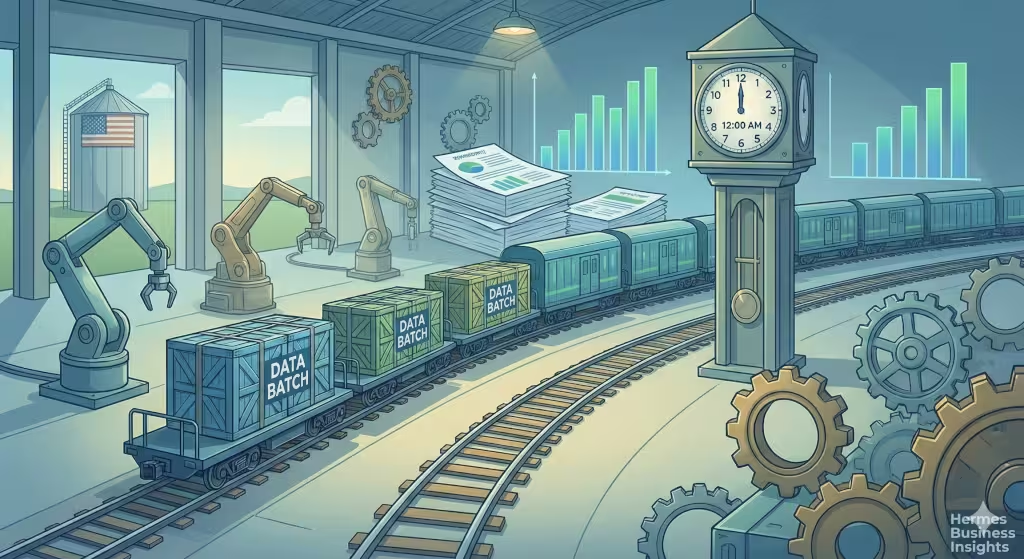
Batch processing of analytics is the classic way to look at information. Think of it like doing your laundry. You do not wash one sock every time it gets dirty. Instead, you wait until you have a whole basket full of clothes. Then, you wash them all at once. In the world of data, this means you collect info over a certain time. This could be a day, a week, or even a month. Once you have enough, you run your analytics tools to see what the numbers say.
This method is great because it is very efficient. Since the computer does not have to work 24/7, it saves a lot of energy and money. You can set the computer to run your analytics reports at night when nobody is using the internet. This keeps your systems fast during the day. Many big tools like Apache Hadoop or Snowflake use this way of working. They take huge piles of data and turn them into neat reports.
For a small business, this is often the best place to start, especially if you are not collecting much data. If you want to see how your SEO is doing over the last thirty days, you do not need up-to-the-second updates. You just need a solid report once a month. This helps you see the big picture without spending too much on fancy technology.
A Look at Batch Analytics Systems
To really understand why batch systems are still so popular, we have to look at how they handle work. When you use analytics in a batch, you are often using a method called ETL. This stands for Extract, Transform, and Load. First, the computer pulls all the info from different places. It might grab sales from your register and clicks from your website.
Then, it transforms that info. This means it cleans it up. It makes sure all the dates look the same and removes any mistakes. This is a very important step. If you have “bad” data, your analytics will give you “bad” answers. Batch systems are great at this because they have plenty of time to get things perfect.
Finally, it loads the clean info into a big digital warehouse. From there, you can run reports that show you exactly how your business is doing. This process is very reliable. If the power goes out while the computer is working, it is easy to just start the batch over. This makes it a very safe way to handle your most important numbers.
For many local businesses, batch reports are the heartbeat of their growth. You might run a batch report every Monday morning. This report tells you which of your local SEO keywords are working. It shows you if people are finding your shop on the map. Because you are looking at a whole week of data, you can see if the changes you made to your website are actually helping. This is the kind of analytics that builds a strong foundation.
What is Real-Time Analytics? (Immediate Actionability)

Now, let us talk about the other way. Real-time processing is like a live stream. Information is checked as soon as it is born. There is no waiting for a basket to get full. Every single click and every single sale goes through the analytics engine right away. This is perfect for things that cannot wait.
Imagine you are a bank. If a thief tries to use a stolen credit card, you cannot wait until the end of the week to find out. You need your analytics system to spot the fraud in a split second. This is where tools like Apache Kafka come into play. They act like a fast-moving river of data that never stops.
Real-time analytics is very powerful for keeping customers happy. If someone is on your website looking at shoes, you can show them a special coupon for those exact shoes while they are still looking. You do not want to send them that coupon two days later when they have already bought shoes from someone else. This kind of speed makes your business look smart and helpful.
The Architecture of Real-Time Analytics
As compared to batch-processing, real-time systems work very differently. Instead of a warehouse, think of a conveyor belt. Data comes in and it never stops moving. As it passes by, the computer checks it and makes a choice. This is often called stream processing.
One big part of this is something called an event broker. This is a piece of software that catches every single “event” that happens in your business. An event could be a customer signing up for your email list or a sensor on your fridge showing that the temperature is too high. The broker makes sure that the right analytics tool sees that event immediately.
This setup is much more complex than a batch system. It requires more parts to work together perfectly. If one part breaks, the whole stream can get backed up. This is why it takes more skill to manage. However, for things like live website tracking, it is the only way to go. You can see how many people are on your site this very second. You can see if a link is broken and fix it before more people click on it.
Real-time analytics also helps with something called “dynamic pricing.” If you run a hotel or a ride-share service, you can use real-time data to change your prices based on how many people are looking for a room or a ride. This helps you make the most money when demand is high and keeps your business busy when demand is low.
Common Myths About Real-Time Data
Many people think that real-time analytics is always better. They see it in movies and think they need it to be “modern.” But that is not always true. Here are some common myths:
-
“Real-time is always instant.” In reality, there is always a tiny delay. Even the fastest computers take a fraction of a second to think. In some cases, this delay can be even longer if the internet is slow.
-
“Small businesses don’t need real-time.” Not true! Even a small local shop can benefit from seeing their website traffic in real-time. It can help you see if a local news story is sending people to your site so you can be ready for more phone calls.
-
“Batch is old-fashioned.” While batch has been around for a long time, it is still getting better. New cloud tools make batch processing faster and cheaper than ever before. It is still the backbone of most of the world’s data work.
By understanding these myths, you can make a smarter choice for your brand. Do not let “cool” tech talk push you into buying something you do not really need.
Head-to-Head: Comparing Architecture and Performance
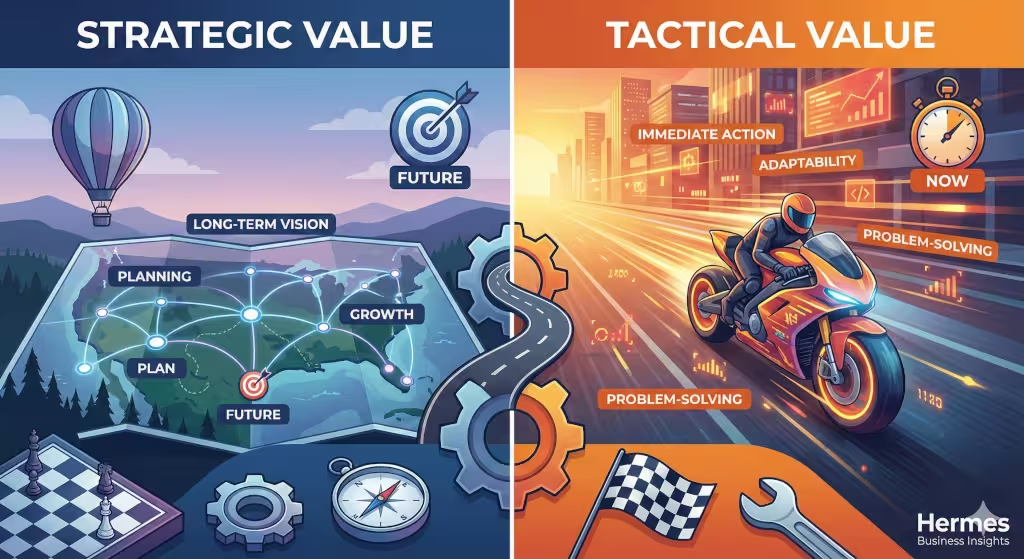
When we put these two side by side, we see some clear differences. The first big difference is speed. Real-time is fast, while batch is slow. But batch can handle much bigger piles of data at one time. It is like the difference between a fast motorcycle and a huge freight train. The motorcycle gets there quick, but the train carries more stuff.
Cost is another big factor. Real-time systems are usually more expensive. They need computers that are always on and always working. Batch systems are cheaper because they only work for a little bit each day. If you are a small business on a tight budget, you have to decide if that extra speed is really worth the extra cash. You also have to determine if you are getting data to make it worthwhile.
Accuracy is also a point to think about. When you do things in batches, you have time to check for mistakes. You can make sure all the numbers are right before you finish the report. In real-time, things move so fast that it is easier for a small error to slip through. Most experts use a mix of both to make sure they are both fast and right.
Which Delivers Faster Business Value?
The answer depends on what you mean by value. If value means stopping a mistake before it happens, then real-time wins every time. It gives you value in seconds. For a local shop, real-time analytics might help you change your prices if a big event starts next door. That is immediate money in your pocket.
However, if value means making a long-term plan, batch processing might actually be better. It lets you look back at a whole year of sales. This deep look helps you see patterns that you might miss if you only look at one second at a time. This “depth of insight” is what helps you decide where to open your next store or what new product to build.
| Metric | Batch Analytics | Real-Time Analytics |
| Speed to Insight | Hours or Days | Seconds |
| Cost | Lower | Higher |
| Complexity | Simple | Complex |
| Best For | Strategy | Operations |
As you can see, both have a place. The “faster” value often comes from the real-time side, but the “bigger” value often comes from the batch side.
Accuracy and Data Quality
One thing people often forget is that speed can sometimes lead to mistakes. In a real-time system, the computer has to make a choice very fast. It might not have all the pieces of the puzzle yet. For example, it might see a sale but not know yet if the payment went through. If your analytics counts that sale right away, your numbers might be a little bit off at the end of the day.
Batch systems are much better at being 100% accurate. Because they wait until the end of the day, they can see that a sale was canceled or a payment failed. They can fix those errors before they show up in your final report. This is why most companies still use batch analytics for their official tax and money records. You do not want to tell the government the wrong numbers because your computer was moving too fast!
For local SEO, accuracy is key. You want to know exactly which keywords are bringing people into your store. A batch report that looks at a whole month of data will give you a much better picture than a real-time tool that only shows you a few hours. By looking at the big picture, you can see the true value of your marketing work.
Common Questions about Analytics
Many people ask if real-time is always better than batch. The truth is no. If you try to use real-time for everything, you will waste a lot of money on things that do not need to be fast. You do not need to know your monthly rent in real-time.
Others ask about the downsides of batch. The biggest downside is “stale data.” If you only check your numbers once a week, you might miss a trend that started on Tuesday. By the time you see it on Friday, the opportunity might be gone.
Can you use both? Yes! This is called a hybrid approach. Many smart businesses use real-time for their website and fraud alerts, but they use batch for their monthly money reports and SEO planning.17 This gives them the best of both worlds.
Industry-Specific Value Propositions
Different businesses need different things. In e-commerce, real-time is king for making sales. It helps you suggest products to people while they are shopping. But for a local doctor’s office, batch might be better for looking at how many patients they saw over the summer.
In the world of delivery, real-time is a must. If you have a fleet of trucks, you need to know where they are right now so you can give them the best route. This saves on gas and time. But the owner of the truck company might use batch reports at the end of the year to see which trucks need to be replaced.
Even for a small pizza shop, these tools matter. You can use real-time to see which pizzas are selling best on a Friday night. Then you can make sure you have enough dough ready. Then, on Monday, you can use a batch report to see if you should change your menu for the next month.
Implementation Strategy: Making the Choice
How do you pick? First, look at your goals. If your customers expect fast answers, you need real-time. If you are just doing back-office work, batch is fine. Next, look at your team. Real-time systems are hard to build. You might need to hire an expert to set them up. Batch systems are often built into tools you already use, like Google Sheets or basic accounting software.
Budget is the last big check. Do not spend more on the tool than the tool will make you. If a real-time system costs five thousand dollars but only saves you one hundred dollars, it is a bad deal. Start small. You can always add more real-time features as your business grows.
Future Trends: AI and Automated Decisioning
Looking ahead, we are seeing more AI being used in both ways. AI can look at batch data and find secrets that humans miss. It can also look at real-time data and make choices for you. For example, an AI could see that a lot of people are looking for “winter boots” in your area and automatically update your local ads.
In 2025, search engines and AI answers are getting very fast. They like data that is fresh. This means that having some real-time info can help your business show up better in search results. This is part of what we call AEO or Answer Engine Optimization. If your info is old, the AI might not suggest your business to people.
The Hybrid Path Forward
In the end, choosing between batch vs. real-time is not about finding a winner. It is about building a toolbox. You need a hammer for some jobs and a screwdriver for others. Batch is your heavy-duty tool for big thinking and saving money. Real-time is your precision tool for acting fast and keeping customers happy.
Most successful small businesses use a mix. They keep an eye on the now with real-time tools, and they plan for the future with batch tools. This balanced path is the best way to get the most value out of your data.24
Summary Checklist for Small Businesses
To wrap things up, here is a quick list of what we covered:
-
Use Batch for monthly reports, taxes, long-term planning, and when you are on a budget.
-
Use Real-Time for fraud detection, live website help, and when acting fast can save a sale.
-
Accuracy is usually better in batch systems because you have time to fix errors.
-
Speed is the main reason to go real-time, but it costs more.
-
Hybrid is the best way. Use a little of both to keep your business strong.
-
Local SEO relies on batching for trends but can use real-time for local events.
-
Training your team is the most important step in making analytics work for you.
By following these simple points, you can master the world of data without getting overwhelmed. Whether you are in NYC or a small town in Nebraska, these rules stay the same. Now, go out there and use your numbers to win!